Sustainable Services

Blackwater Treatment

A Sustainable Management of Wastewater — Turning a Waste into a Valuable Water Resource.

Household sewage is divided into two types — Greywater and Blackwater. Greywater comes from kitchens, washing basins, laundry, sinks, and showers. Blackwater comes from toilets and consists mainly of urine and feces.

Blackwater has a higher concentration of pollutants and solid waste, making its treatment more difficult than greywater. An onsite wastewater treatment system is ideal for off-grid areas with no central sewerage — which is still unavailable in large parts of the world.

The most important criteria for blackwater treatment systems are that they be low-cost and simple — as most of those who need them are low-income communities.
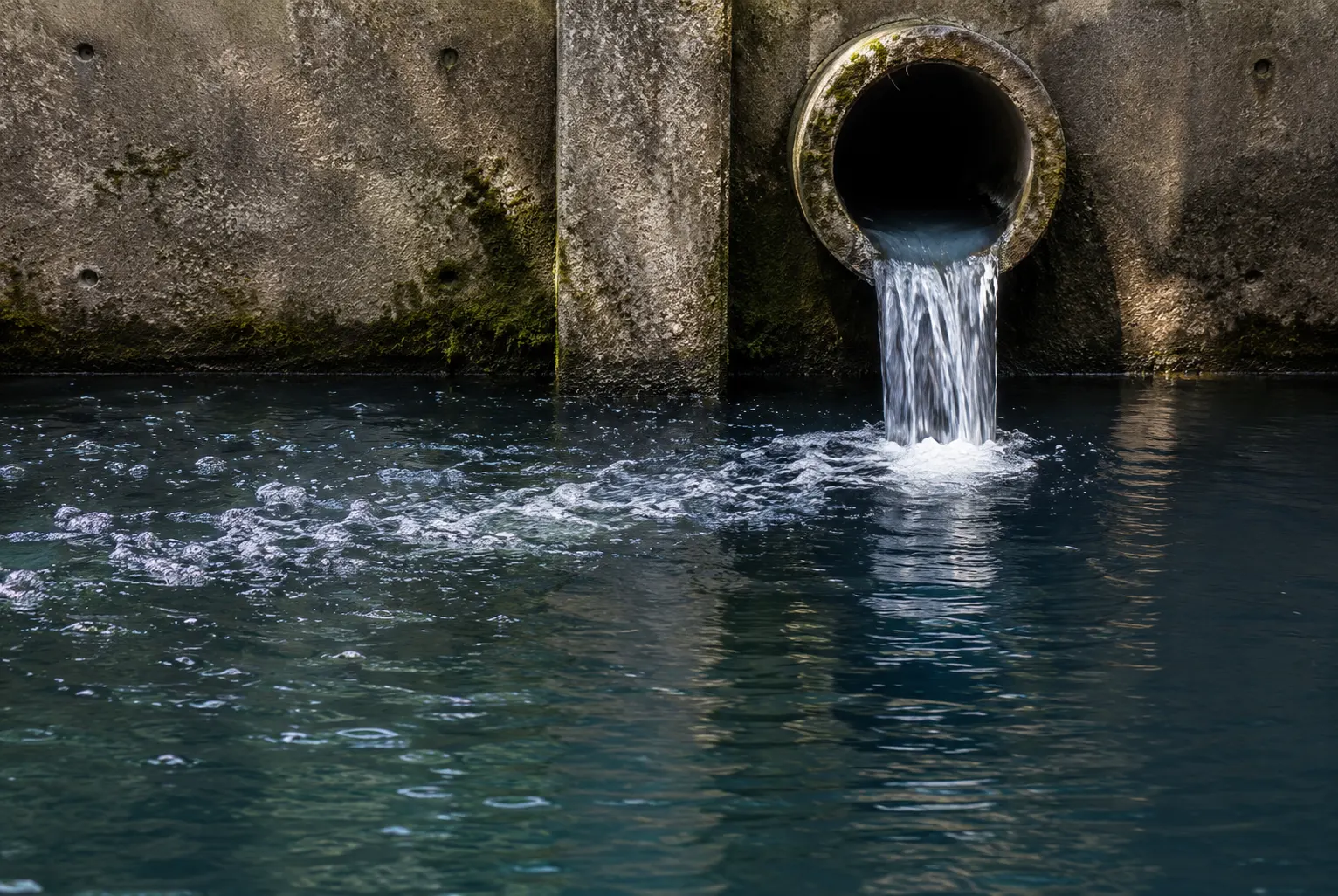
Blackwater Treatment

Natural Blackwater Treatment Methods

Evaporation Tanks Treatment
Septic Tank with Leaching Beds

Leaching Beds Treatment System

This is one of the best on-site blackwater treatment systems. Blackwater is first collected in a two-chamber septic tank, then further treated through leaching beds. The septic tank can be made of concrete, fiberglass, or polyethylene. For a household of 7–8 people, a tank of 1m × 1m × 1m is typically sufficient. This system has three main components.

1 — Septic Tank — An enclosed watertight container that provides primary treatment by separating solids from wastewater. Settleable solids sink to the bottom (sludge) while floatable solids such as oils and greases rise to the top (scum). Wastewater is held for at least 24 hours to allow separation. A typical septic tank has two compartments connected by a baffle (Tee pipe) — the first compartment is wider as most solid waste deposits there. An effluent filter at the outlet tee removes additional solids before wastewater moves to secondary treatment. Septic tanks must be designed by professionals — incorrect design can contaminate groundwater. The tank elevation must always be higher than the leaching field.
2 — Distribution Box — Evenly distributes the pre-treated effluent from the septic tank into the leach field lines. Placed downhill from the septic tank to allow gravity flow. Commonly made from concrete or plastic — concrete is preferred for its durability. Has several openings through which wastewater flows out to the leach field lines.
3 — Leaching Beds / Chambers — Pre-treated effluent flows by gravity or is pumped into a piping system of parallel channels that distributes the flow into subsurface soil for absorption and further natural treatment. Leach fields offer a safe way of discharging effluent to the environment while recharging groundwater bodies — suitable when there is no need to reuse the wastewater.