Sustainable Services
Rainwater Harvesting
A Sustainable Water Management Solution to Counter Water Scarcity.
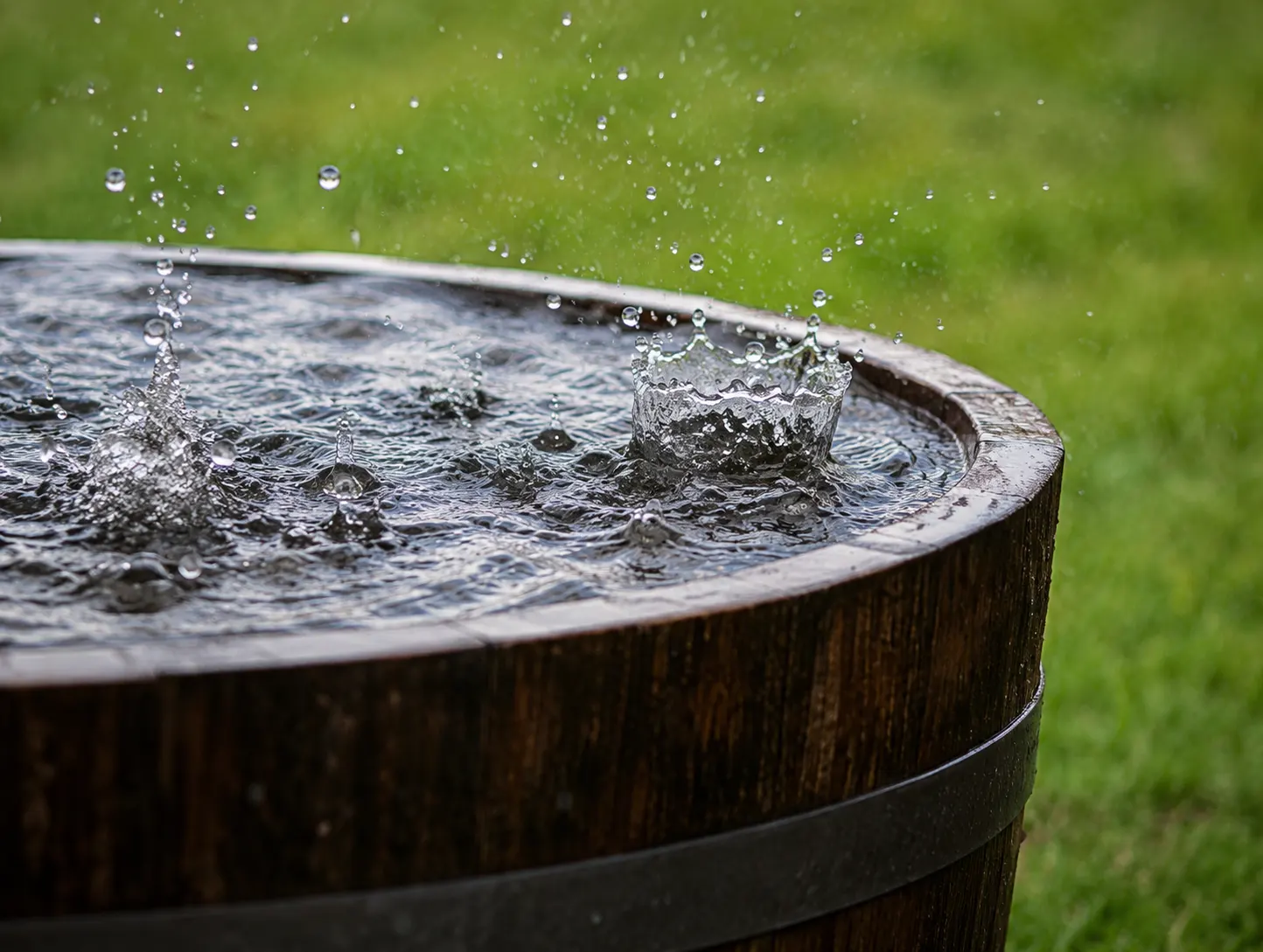
Rainwater harvesting systems collect and store rainwater for human use — ranging from simple rain barrels to elaborate structures with pumps, tanks, and purification systems. Collected rainwater can be used for laundry, house cleaning, irrigation, fire extinguishing, toilet flushes, or car wash.
Collecting and storing rainwater with zero emissions increases available water resources, reduces city floods and pollution, and improves urban water management. It also reduces the amount of piping needed for water networks and mitigates the adverse environmental effects of urban life.
Types of Rainwater Harvesting Systems
Components of a Rainwater Harvesting System
A good system is divided into four main subsystems — Collection, Treatment, Storage, and Distribution.
1. Collection
2. Treatment
3. Storage
The storage tank is designed according to water requirements, rainfall, and catchment availability. Each drainpipe should have a mesh filter, first flush device, and filtration system before connecting to the tank. Each tank must have an overflow system directing excess water to the recharge system. Water from storage tanks can be used for washing, gardening, and other secondary purposes.
4. Distribution
Water from the storage tank is distributed to toilets, washbasins, and irrigation points depending on water quality. Distribution includes all piping, pumps, and devices that move water from storage to point of use. For drip irrigation by gravity, a simple length of drip tubing may suffice. For indoor pressurized use, a licensed plumber should handle installation and ensure compliance with local backflow prevention requirements.